
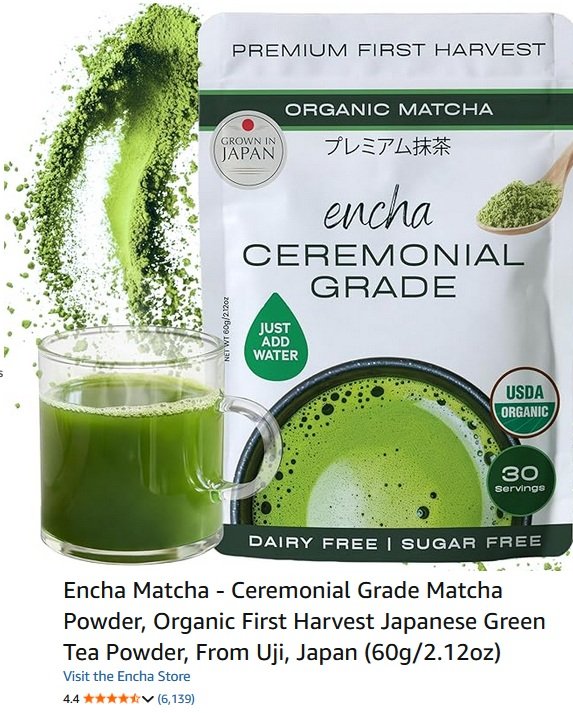
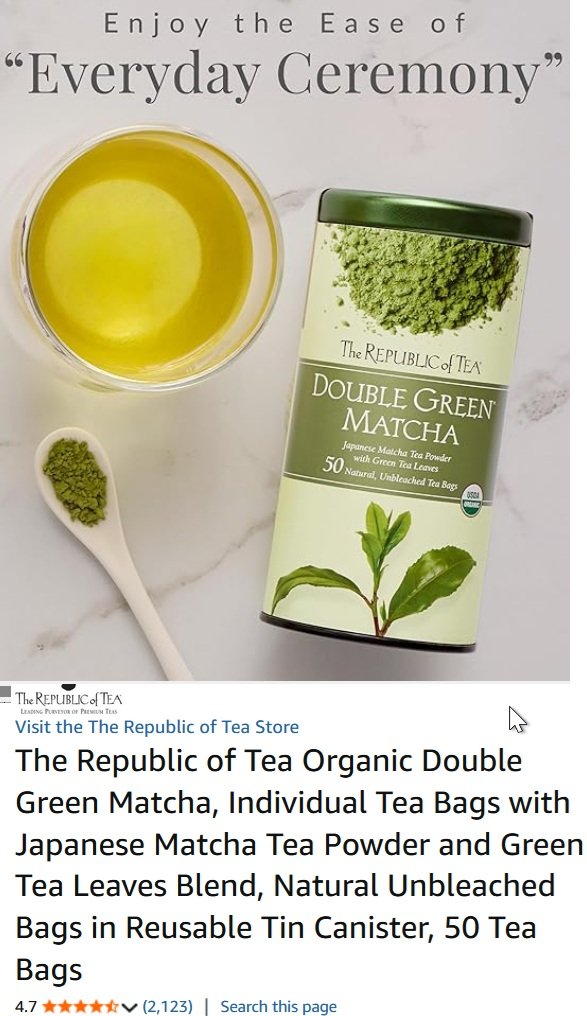
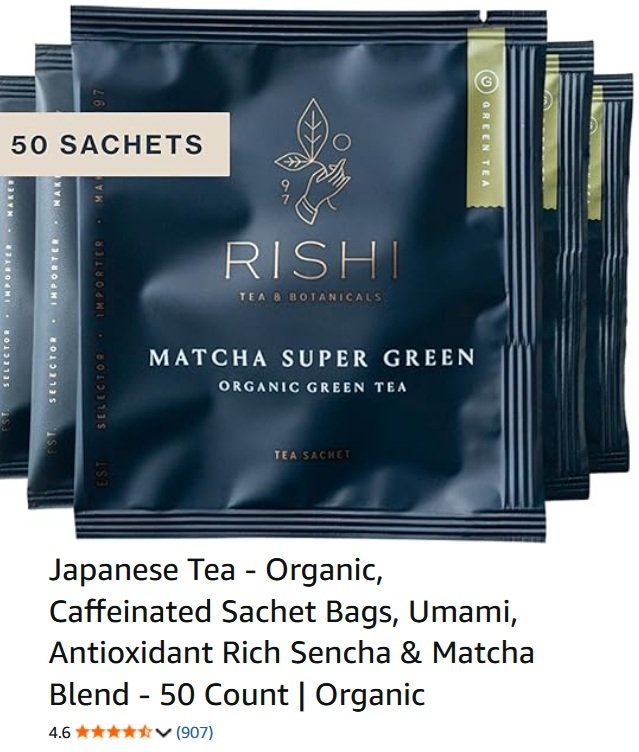
Matcha is more than a trendy green drink. Made from finely ground green tea leaves, matcha delivers a concentrated source of antioxidants, amino acids, natural caffeine, and plant compounds that may support everyday wellness. Because you consume the whole tea leaf in powdered form, matcha can offer a stronger nutritional profile than regular steeped green tea.
What Makes Matcha Different?
Matcha comes from shade-grown green tea leaves that are carefully harvested, steamed, dried, and ground into a fine powder. Instead of steeping the leaves and removing them, you whisk the powder directly into water or milk. This means you drink the entire leaf.
That simple difference is why matcha is often praised for its rich antioxidant content, smooth energy, and unique balance of caffeine and L-theanine.
1. Matcha Is Rich in Antioxidants
One of the biggest health benefits of matcha is its antioxidant content. Antioxidants help the body fight oxidative stress, which is linked to aging, inflammation, and everyday cellular damage.
Matcha is especially known for catechins, a group of natural compounds found in green tea. One important catechin is EGCG, which is often studied for its potential wellness-supporting effects.
2. Matcha May Support Calm, Focused Energy
Matcha naturally contains caffeine, but many people describe its energy as smoother than coffee. This is partly because matcha also contains L-theanine, an amino acid associated with calm alertness.
Instead of a quick spike and crash, matcha may help support steady focus, making it popular with students, professionals, creatives, and anyone who wants mental clarity without feeling overly jittery.
3. Matcha Can Help Support Metabolism
Green tea compounds have been studied for their role in metabolism and fat oxidation. Matcha may be especially helpful as part of a healthy routine because it provides concentrated green tea nutrients in each serving.
While matcha is not a magic weight-loss solution, drinking unsweetened matcha can be a smart replacement for sugary coffee drinks, soda, or high-calorie beverages.
4. Matcha May Support Heart Health
Drinking matcha as part of a balanced diet may help support cardiovascular wellness. Green tea has long been associated with heart-conscious lifestyles because of its natural antioxidants and plant compounds.
For best results, enjoy matcha without excessive sugar. A simple hot matcha tea or lightly sweetened matcha latte is usually a healthier choice than a dessert-style drink loaded with syrup.
5. Matcha Supports Healthy Hydration Habits
Many people struggle to drink enough healthy fluids throughout the day. Matcha can make hydration more enjoyable by adding flavor, color, and a gentle energy lift.
Hot matcha, iced matcha, and matcha smoothies can all help replace less healthy drinks in your daily routine.
6. Matcha May Help Reduce Stress
Matcha contains L-theanine, which is one reason it is often connected with calm focus. Traditional matcha preparation also encourages a slower, more mindful moment in the day.
Whisking matcha, breathing in its earthy aroma, and sipping it slowly can become a peaceful wellness ritual that helps you pause before a busy morning or afternoon.
7. Matcha May Support Skin Wellness
Because matcha is rich in antioxidants, many wellness enthusiasts include it in routines designed to support healthy-looking skin from within.
A healthy diet, hydration, sleep, and sun protection are all important for skin health. Matcha can be one helpful part of that bigger lifestyle picture.
8. Matcha Can Support Better Morning Routines
A daily matcha habit can create a healthier morning pattern. Instead of reaching for sugary drinks or skipping breakfast, you can prepare a clean matcha tea, matcha latte, or matcha smoothie.
Pairing matcha with a balanced breakfast can help you begin the day with intention, energy, and focus.
9. Matcha Is Easy to Add to Healthy Recipes
Matcha is versatile. You can drink it traditionally or blend it into modern recipes. This makes it easy to enjoy even if you do not love plain tea.
- Matcha latte
- Iced matcha tea
- Matcha smoothies
- Matcha overnight oats
- Matcha chia pudding
- Matcha protein shakes
- Matcha energy bites
10. Matcha May Help Replace Less Healthy Drinks
One of the most practical benefits of drinking matcha every day is what it can replace. If matcha helps you cut back on soda, sugary coffee drinks, energy drinks, or artificial beverages, it may support better long-term health habits.
The key is preparation. Unsweetened matcha or lightly sweetened matcha is usually the healthiest option. A large matcha latte with heavy cream and lots of sugar may taste delicious, but it should be treated more like a dessert.
How Much Matcha Should You Drink Every Day?
For most adults, one serving per day is a reasonable place to start. A typical serving uses about 1/2 to 1 teaspoon of matcha powder.
Because matcha contains caffeine, people who are pregnant, sensitive to caffeine, taking certain medications, or managing health conditions should speak with a healthcare professional before making matcha a daily habit.
Best Time to Drink Matcha
Many people enjoy matcha in the morning or early afternoon. This allows you to benefit from the natural caffeine without interfering with sleep later in the evening.
If you are replacing coffee, try matcha in the morning. If you need a gentle afternoon lift, try an iced matcha around lunchtime.
Simple Daily Matcha Recipe
Easy Hot Matcha Tea
Ingredients:
- 1/2 to 1 teaspoon matcha powder
- 2 ounces warm water
- 4 to 6 ounces additional hot water or milk
- Optional: honey, maple syrup, or vanilla
Directions:
- Sift matcha powder into a bowl or mug.
- Add 2 ounces of warm water.
- Whisk until smooth and lightly frothy.
- Add more hot water or warm milk.
- Sweeten lightly if desired.
Final Thoughts: Is Daily Matcha Worth It?
Drinking matcha every day can be a smart wellness habit when enjoyed in moderation. It offers antioxidants, natural caffeine, L-theanine, and a comforting ritual that can support energy, focus, and healthier beverage choices.
The best way to enjoy matcha is simple: choose a quality powder, avoid too much added sugar, and make it part of a balanced lifestyle that includes nutritious food, movement, hydration, and rest.
Frequently Asked Questions About Matcha Benefits
Is it good to drink matcha every day?
Many people can enjoy matcha daily in moderation. Since it contains caffeine, start with one serving and see how your body responds.
Does matcha give you energy?
Yes. Matcha contains natural caffeine and L-theanine, which may support calm, focused energy.
Is matcha better than coffee?
Matcha and coffee are different. Coffee usually has more caffeine, while matcha offers green tea antioxidants and a smoother tea-based energy experience.
Can matcha help with weight loss?
Matcha may support a healthy lifestyle, especially when it replaces sugary drinks. However, weight management still depends on diet, activity, sleep, and overall habits.
What is the healthiest way to drink matcha?
The healthiest way is usually unsweetened matcha with water or a lightly sweetened matcha latte made with simple ingredients.
Green Tea And Matcha