
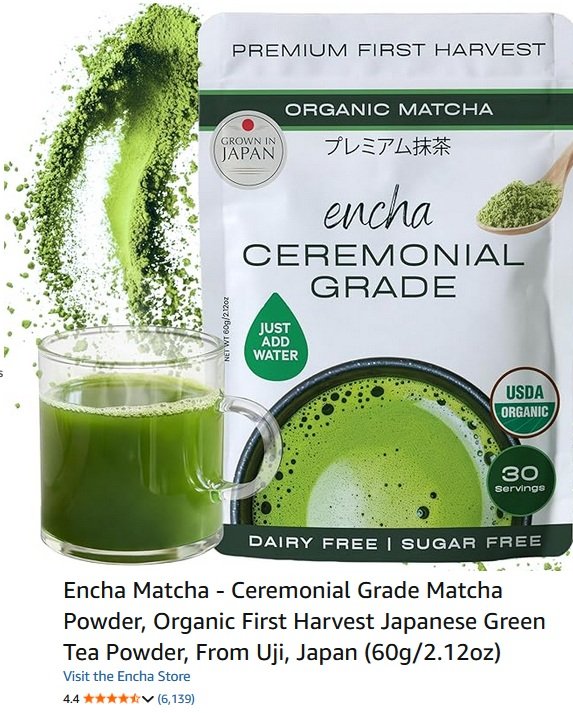

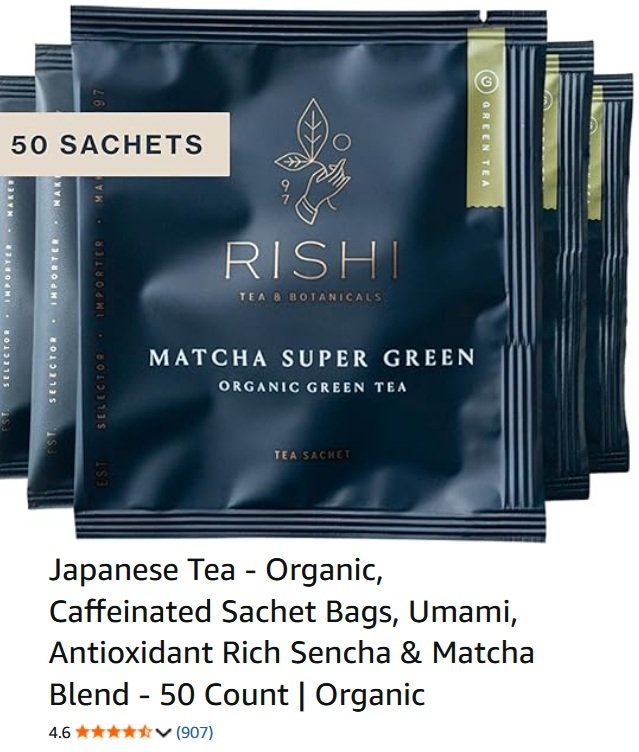
But matcha is far more than a social media drink or café favorite. Its roots stretch back hundreds of years and connect deeply with Japanese tradition, Zen Buddhism, mindfulness, hospitality, and craftsmanship.
Understanding the history of matcha tea helps us appreciate not only its flavor and health benefits, but also the rich cultural story behind every bowl.
What Is Matcha?
Matcha is a finely ground powder made from specially grown green tea leaves. Unlike regular green tea, where leaves are steeped and discarded, matcha is whisked directly into water so the entire leaf is consumed.
Matcha is known for its:
- Bright green color
- Earthy, smooth flavor
- Natural caffeine content
- Rich antioxidant profile
- Traditional preparation methods
Today, matcha is enjoyed worldwide in teas, lattes, desserts, smoothies, and wellness recipes.
The Early Origins of Matcha in China
The story of matcha actually begins in ancient China during the Tang Dynasty (618–907). During this period, tea leaves were steamed and compressed into tea bricks for storage and transportation.
People would grind the tea into powder and mix it with hot water. This powdered tea preparation became especially popular during the Song Dynasty (960–1279), where whisked tea competitions and tea appreciation became cultural traditions.
At the time, powdered tea preparation was admired for its beauty, craftsmanship, and meditative qualities.
Interesting fact: The original powdered tea traditions that inspired modern matcha first developed in China before becoming deeply rooted in Japanese culture.
How Matcha Arrived in Japan
Matcha tea arrived in Japan through Buddhist monks who traveled to China to study religion, philosophy, and culture.
One of the most important figures in matcha history was the Japanese Zen monk Eisai, who returned from China in the late 12th century carrying tea seeds and knowledge of powdered tea preparation.
Eisai believed tea supported both physical wellness and mental clarity. He promoted tea drinking among Buddhist monks because it helped maintain focus during long periods of meditation.
In 1211, Eisai wrote a famous book called:
“Kissa Yojoki”
(Drinking Tea for Health)
This helped spread tea culture throughout Japan.
The Connection Between Matcha and Zen Buddhism
Matcha became closely linked with Zen Buddhism because the preparation and drinking process encouraged mindfulness, discipline, calmness, and concentration.
Buddhist monks often drank matcha before meditation sessions to stay mentally alert while remaining calm and centered.
Over time, matcha preparation evolved into a spiritual and artistic practice that reflected important Japanese values:
- Simplicity
- Harmony
- Respect
- Purity
- Tranquility
These ideas remain important in Japanese tea culture today.
The Rise of the Japanese Tea Ceremony
By the 15th and 16th centuries, matcha had become central to the Japanese tea ceremony, also known as:
Chanoyu
(The Way of Tea)
The tea ceremony transformed matcha preparation into a refined cultural art form. Every movement, utensil, gesture, and detail carried meaning and intention.
Tea ceremonies emphasized hospitality, mindfulness, appreciation of the present moment, and connection between host and guest.
The tea room itself was designed to create peace and simplicity away from the distractions of daily life.
Sen no Rikyū and the Philosophy of Tea
One of the most influential tea masters in Japanese history was Sen no Rikyū, who helped shape the tea ceremony into the form recognized today.
Rikyū emphasized the beauty of simplicity, humility, and imperfection — ideas connected to the Japanese aesthetic philosophy known as:
Wabi-Sabi
This philosophy values natural beauty, simplicity, authenticity, and the quiet elegance found in imperfect things.
Even today, traditional matcha culture still reflects many of these principles.
How Matcha Is Traditionally Grown
Matcha production became highly specialized in Japan. Tea farmers developed methods to improve flavor, color, and texture.
One of the most important techniques is shade-growing. Before harvest, tea plants are covered for several weeks to reduce sunlight exposure.
This process increases chlorophyll levels and creates:
- Deeper green color
- Smoother flavor
- Richer umami taste
- Higher levels of certain tea compounds
After harvesting, the leaves are steamed, dried, and carefully stone-ground into fine powder.
Traditional Matcha Tools
Matcha preparation uses several traditional Japanese tools:
| Tool | Purpose |
|---|---|
| Chawan | Matcha bowl |
| Chasen | Bamboo whisk |
| Chashaku | Bamboo scoop |
| Natsume | Tea container |
These tools are still used in modern tea ceremonies and by matcha enthusiasts around the world.
Matcha’s Global Popularity Explosion
For centuries, matcha remained closely tied to Japanese culture. However, in recent decades, it has become internationally popular due to wellness trends, café culture, and growing interest in antioxidant-rich foods.
Matcha’s rise was fueled by:
- Health and wellness movements
- Social media and food photography
- Specialty coffee shops and cafés
- Interest in Japanese culture
- Demand for alternatives to coffee
Today, matcha appears in everything from smoothies and protein drinks to desserts and skincare products.
Modern Matcha Cafés and Lifestyle Culture
Modern cafés helped introduce matcha to younger audiences around the world. Matcha lattes, iced matcha drinks, and colorful café creations made matcha more approachable for beginners.
While traditional tea ceremonies focus on mindfulness and simplicity, modern matcha culture often blends:
- Wellness trends
- Fitness lifestyles
- Plant-based recipes
- Creative desserts
- Social café experiences
Despite these modern adaptations, traditional Japanese tea culture still influences how matcha is respected and prepared.
Why Matcha Remains Timeless
Matcha has survived centuries because it offers more than flavor alone. It combines ritual, craftsmanship, beauty, wellness, and mindfulness in a simple daily experience.
In a fast-moving modern world, many people find comfort in the quiet ritual of preparing and drinking matcha slowly.
Whether enjoyed traditionally in a tea bowl or served as an iced latte in a modern café, matcha continues to connect people through shared moments of calm and appreciation.
Final Thoughts
The history of matcha tea is a story of culture, meditation, artistry, and transformation. What began centuries ago as powdered tea in ancient China evolved into one of Japan’s most respected traditions and eventually became a global wellness phenomenon.
Today, matcha bridges ancient tradition and modern lifestyles. It reminds us that even a simple bowl of tea can carry centuries of meaning, craftsmanship, mindfulness, and human connection.
Every cup of matcha tells a story — one that continues to evolve with every new generation of tea lovers around the world.
Frequently Asked Questions About Matcha History
Where did matcha originally come from?
Matcha-style powdered tea preparation first developed in ancient China before becoming deeply rooted in Japanese culture.
Who brought matcha to Japan?
Japanese Buddhist monks, especially Eisai, helped introduce powdered tea traditions and tea seeds to Japan.
Why is matcha important in Japanese culture?
Matcha became central to Japanese tea ceremonies and Zen Buddhist traditions focused on mindfulness, simplicity, and respect.
What is a Japanese tea ceremony?
A Japanese tea ceremony is a carefully choreographed ritual centered around preparing and serving matcha tea with mindfulness and hospitality.
Why is matcha popular today?
Matcha became globally popular because of wellness trends, café culture, antioxidant interest, and social media exposure.
Green Tea And Matcha