While green tea is not a cure or miracle drink, it can be a smart daily habit when combined with healthy food, movement, sleep, hydration, and stress management.
What Are Antioxidants?
Antioxidants are natural compounds that help protect cells from damage caused by unstable molecules known as free radicals. Free radicals can be produced by normal body processes, pollution, smoking, poor diet, stress, lack of sleep, and sun exposure.
When free radicals build up faster than the body can manage them, this is known as oxidative stress.
Simple explanation: Antioxidants help your body defend itself against everyday cellular stress.
What Is Oxidative Stress?
Oxidative stress happens when there is an imbalance between free radicals and antioxidants in the body.
Everyday factors that may contribute to oxidative stress include:
- Air pollution
- Processed foods
- Chronic stress
- Poor sleep
- Excess alcohol
- Smoking
- Too much sun exposure
A balanced lifestyle rich in antioxidant-containing foods and drinks may help support the body’s natural defense systems.
Why Green Tea Is Known for Antioxidants
Green tea is made from the leaves of the Camellia sinensis plant. Unlike black tea, green tea is minimally oxidized during processing, which helps preserve many of its natural plant compounds.
The most important antioxidants in green tea are called catechins. These compounds are part of a larger family of plant nutrients known as polyphenols.
Green tea catechins are one reason green tea is often linked with heart wellness, brain support, metabolism support, and healthy aging routines.
What Are Catechins?
Catechins are natural antioxidant compounds found in tea, cocoa, berries, and certain fruits. In green tea, catechins are especially important because they help give the tea its wellness-supporting reputation.
The main catechins in green tea include:
- EGCG — epigallocatechin gallate
- ECG — epicatechin gallate
- EGC — epigallocatechin
- EC — epicatechin
Of these, EGCG is the most famous and often the most studied.
Why EGCG Gets So Much Attention
EGCG is one of the major catechins in green tea. It is often studied for its potential role in antioxidant protection, metabolism support, heart health, and overall wellness.
Many green tea health conversations focus on EGCG because it is one of the most active plant compounds in green tea.
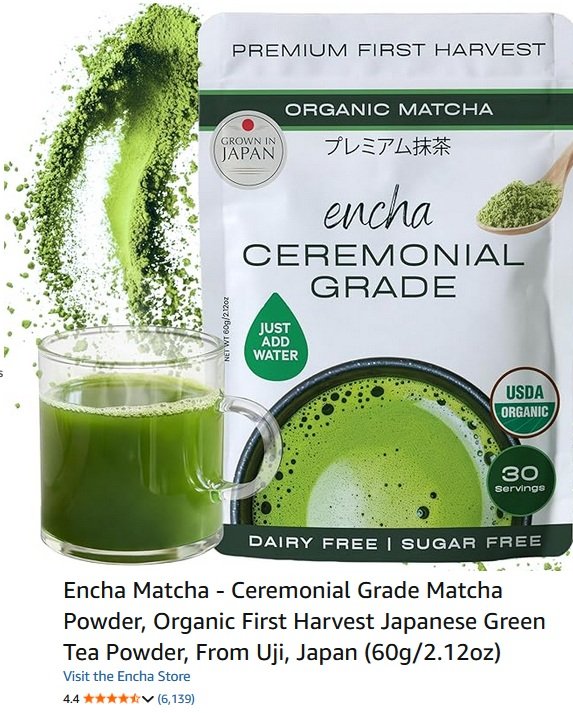
Matcha may contain especially concentrated green tea compounds because the entire powdered leaf is consumed rather than steeped and removed.
How Catechins Help the Body Fight Stress
Catechins support the body by helping neutralize free radicals and supporting normal cellular defense processes.
This does not mean green tea prevents all stress or disease. Instead, green tea can be one helpful part of a broader lifestyle that supports resilience and wellness.
Catechins May Support:
- Cellular antioxidant protection
- Healthy aging routines
- Metabolism support
- Heart-conscious lifestyles
- Brain and focus routines
- Overall daily wellness habits
Green Tea vs Matcha: Which Has More Antioxidants?
Both green tea and matcha contain antioxidants, but matcha is usually more concentrated because you consume the entire powdered tea leaf.
| Feature | Green Tea | Matcha |
|---|---|---|
| Preparation | Leaves are steeped and removed | Powdered leaves are whisked and consumed |
| Antioxidant Level | High | Usually more concentrated |
| Flavor | Light and refreshing | Rich, earthy, and creamy |
| Best For | Daily sipping | Focused energy and recipes |
If you want a light daily tea, brewed green tea is a great choice. If you want a stronger and more concentrated tea experience, matcha may be ideal.
Best Green Teas for Antioxidants
Different green teas offer different flavors and strengths. Some popular antioxidant-rich options include:
1. Matcha
Matcha is one of the most concentrated green tea options because the whole leaf is consumed.
2. Sencha
Sencha is a popular Japanese green tea with a fresh grassy flavor and strong everyday appeal.
3. Gyokuro
Gyokuro is shade-grown and known for a rich, smooth flavor.
4. Dragon Well
Dragon Well, also called Longjing, is a famous Chinese green tea with a smooth, nutty taste.
5. Jasmine Green Tea
Jasmine green tea combines green tea leaves with a fragrant floral aroma, making it a pleasant option for beginners.
How to Brew Green Tea to Preserve Antioxidants
Brewing green tea correctly helps protect flavor and makes the tea more enjoyable.
Simple Brewing Tips
- Use fresh, filtered water when possible
- Avoid boiling water directly on delicate green tea leaves
- Use water around 160°F to 180°F for most green teas
- Steep for 1 to 3 minutes
- Avoid over-steeping, which can cause bitterness
- Drink plain or lightly sweetened
If your green tea tastes bitter, try cooler water or a shorter steep time.
How Green Tea Fits Into a Healthy Lifestyle
Green tea works best as part of a complete wellness routine. It should not replace balanced meals, exercise, sleep, or medical care.
To support your body against everyday stress, combine green tea with:
- Colorful fruits and vegetables
- Regular walking or exercise
- Quality sleep
- Hydration
- Stress-reducing routines
- Reduced intake of sugary drinks
Green tea can be a simple habit that supports many other healthy choices.
Can You Drink Green Tea Every Day?
Many people enjoy green tea every day. A common routine is one to three cups daily, depending on personal preference and caffeine tolerance.
Because green tea contains caffeine, people who are sensitive to caffeine, pregnant, nursing, taking medications, or managing health conditions should speak with a healthcare professional before drinking large amounts regularly.
Final Thoughts
Green tea antioxidants, especially catechins like EGCG, are one of the biggest reasons green tea is loved in wellness culture.
These natural plant compounds may help support the body’s defenses against everyday oxidative stress while also fitting into routines for energy, hydration, focus, and mindful living.
Whether you choose brewed green tea, matcha, sencha, jasmine green tea, or gyokuro, the key is consistency, quality, and balance.
Frequently Asked Questions About Green Tea Antioxidants
What antioxidants are in green tea?
Green tea contains catechins, including EGCG, ECG, EGC, and EC. EGCG is one of the best-known green tea antioxidants.
Is matcha higher in antioxidants than green tea?
Matcha is usually more concentrated because you consume the whole powdered tea leaf.
Does green tea help with stress?
Green tea may support the body’s response to oxidative stress and can also create a calming daily ritual.
How many cups of green tea should I drink daily?
Many people enjoy one to three cups daily, depending on caffeine tolerance.
What is EGCG?
EGCG stands for epigallocatechin gallate, a major catechin found in green tea.
Green Tea And Matcha