Matcha has moved from traditional Japanese tea rooms into cafés, kitchens, smoothie bars, wellness shops, and daily morning routines around the world. Its bright green color, earthy flavor, and reputation for calm energy have helped make it one of the most popular drinks in modern wellness culture.
But why is matcha often called a superfood? The answer comes from how it is grown, how it is consumed, and the powerful plant compounds naturally found in green tea leaves.
What Is Matcha?
Matcha is a finely ground powder made from specially grown green tea leaves. Unlike regular green tea, where the leaves are steeped in hot water and then removed, matcha is whisked directly into water or milk. This means you consume the whole tea leaf.
Because the entire leaf is consumed, matcha delivers a more concentrated serving of green tea compounds, including antioxidants, amino acids, chlorophyll, and natural caffeine.
Why Is Matcha Called a Superfood?
A “superfood” is not a medical term, but it is often used to describe foods or drinks that are especially rich in nutrients or beneficial plant compounds. Matcha earns its superfood reputation because it combines antioxidants, natural energy, focus support, and a mindful preparation ritual in one simple drink.
Simple explanation: Matcha is considered a superfood because it gives you the benefits of green tea in a more concentrated form.
1. Matcha Is Rich in Antioxidants
One of the main reasons matcha is celebrated in wellness culture is its antioxidant content. Antioxidants help protect the body from oxidative stress caused by everyday environmental and lifestyle factors.
Matcha contains catechins, a group of antioxidants naturally found in green tea. One of the best-known catechins is EGCG, which is often associated with green tea’s wellness benefits.
Since matcha is made from powdered whole tea leaves, it is typically more concentrated than steeped green tea.
2. Matcha Supports Calm, Focused Energy
Many people drink matcha because it provides energy without the same feeling they may get from strong coffee or sugary energy drinks.
Matcha naturally contains caffeine, but it also contains L-theanine, an amino acid found in tea. This combination is one reason matcha is often described as providing calm alertness.
For students, professionals, creators, and busy parents, matcha can become a useful morning or afternoon drink for steady focus.
3. Matcha Fits Modern Wellness Routines
Modern wellness culture is not only about nutrition. It is also about daily habits, rituals, mindfulness, and making healthier choices easier.
Matcha fits perfectly into this lifestyle because it can be:
- Whisked into a simple hot tea
- Blended into smoothies
- Made into iced matcha lattes
- Added to oatmeal or chia pudding
- Used in healthier desserts
- Enjoyed as a coffee alternative
4. Matcha Encourages Mindful Drinking
Traditional matcha preparation is slow and intentional. You sift the powder, add warm water, whisk it into a smooth green tea, and drink it while fresh.
This simple ritual encourages mindfulness. Instead of rushing into the day with a sugary drink, matcha invites you to pause, breathe, and create a moment of calm.
That emotional experience is one reason matcha has become popular among people who want wellness habits that feel both healthy and meaningful.
5. Matcha May Support Metabolism and Active Lifestyles
Green tea compounds are often studied for their relationship with metabolism and fat oxidation. Matcha may support an active lifestyle because it provides concentrated green tea nutrients and natural caffeine.
However, matcha should not be viewed as a magic weight-loss product. It works best when paired with balanced meals, movement, hydration, quality sleep, and consistency.
6. Matcha Can Replace Less Healthy Drinks
One of the most practical reasons matcha supports wellness is that it can replace drinks that are high in sugar, artificial ingredients, or empty calories.
For example, a homemade matcha latte with simple ingredients can be a better daily choice than a large sugary coffee drink or soda.
The healthiest matcha drinks are usually unsweetened or lightly sweetened.
7. Matcha Has a Beautiful Natural Color
Matcha’s bright green color comes partly from chlorophyll, a natural pigment found in plants. High-quality matcha often has a vibrant green appearance because the tea leaves are shade-grown before harvest.
That striking color has helped matcha become popular on social media, food blogs, wellness websites, and café menus. But beyond appearance, the color can also signal freshness and quality.
8. Matcha Is Versatile in Recipes
Matcha is not limited to tea. Its powdered form makes it easy to add to many recipes.
Popular Matcha Recipes Include:
- Hot matcha tea
- Iced matcha latte
- Matcha smoothie
- Matcha overnight oats
- Matcha chia pudding
- Matcha pancakes
- Matcha protein shake
- Matcha energy bites
This recipe flexibility makes matcha easy to include in daily wellness habits.
9. Matcha Connects Tradition With Modern Health Trends
Matcha has deep roots in Japanese tea culture, where it has been valued for ceremony, hospitality, simplicity, and presence.
Today, matcha bridges ancient tradition and modern wellness. It appeals to people who want natural energy, antioxidant-rich drinks, plant-based recipes, and calming rituals.
This blend of history and modern health interest gives matcha a unique place in today’s wellness world.
How to Choose Quality Matcha
If you want the best matcha experience, quality matters. Poor-quality matcha may taste bitter, dull, or overly grassy.
Look for matcha that is:
- Bright green in color
- Finely ground
- Fresh smelling
- Smooth rather than gritty
- Stored in an airtight container
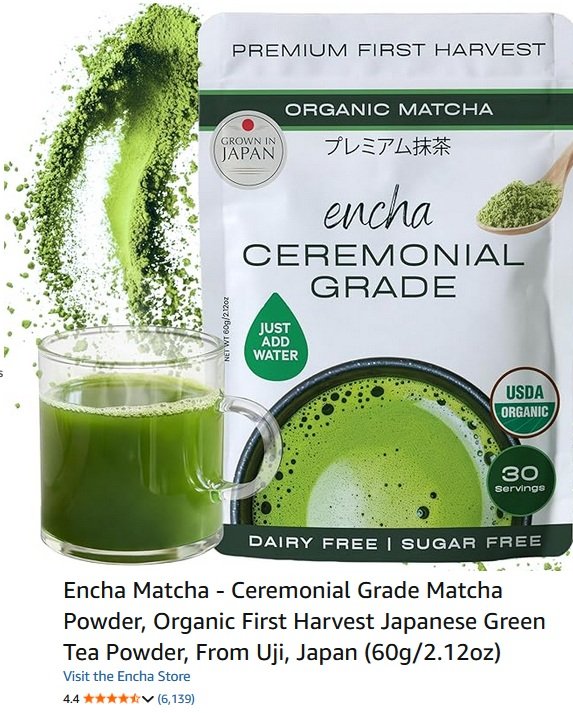
Ceremonial grade matcha is usually best for drinking with water, while culinary grade matcha works well in smoothies, lattes, and recipes.
Simple Superfood Matcha Latte Recipe
Easy Matcha Latte
Ingredients:
- 1 teaspoon matcha powder
- 2 ounces warm water
- 6 ounces warm milk or plant-based milk
- Optional: honey, maple syrup, or vanilla
Directions:
- Sift matcha powder into a cup or bowl.
- Add warm water and whisk until smooth.
- Warm your milk and pour it into the matcha.
- Sweeten lightly if desired.
- Enjoy hot or pour over ice.
Is Matcha Right for Everyone?
Matcha is healthy for many people, but it does contain caffeine. People who are sensitive to caffeine, pregnant, nursing, taking certain medications, or managing medical conditions should ask a healthcare professional before drinking matcha daily.
It is also important to avoid adding too much sugar. A matcha drink can quickly become less healthy if it is loaded with syrups, whipped cream, or sweetened powders.
Final Thoughts
Matcha is considered a superfood in modern wellness culture because it combines concentrated green tea nutrients, antioxidants, natural energy, calm focus, and a meaningful daily ritual.
Whether you drink it as traditional tea, enjoy it as a latte, or add it to smoothies and healthy recipes, matcha can be a powerful part of a balanced lifestyle.
The best approach is simple: choose quality matcha, avoid excess sugar, enjoy it in moderation, and make it part of a wellness routine that includes nourishing food, movement, rest, and mindfulness.
Frequently Asked Questions About Matcha as a Superfood
Why is matcha called a superfood?
Matcha is called a superfood because it contains concentrated green tea compounds, antioxidants, amino acids, and natural caffeine.
Is matcha healthier than regular green tea?
Matcha is more concentrated because you consume the whole tea leaf, but both matcha and regular green tea can be healthy choices.
Can I drink matcha every day?
Many people enjoy matcha daily in moderation. Since it contains caffeine, pay attention to your tolerance.
What is the best way to drink matcha?
Traditional matcha with warm water or a lightly sweetened matcha latte are both popular healthy options.
Does matcha help with energy?
Yes. Matcha contains caffeine and L-theanine, which may support calm, focused energy.
Green Tea And Matcha