
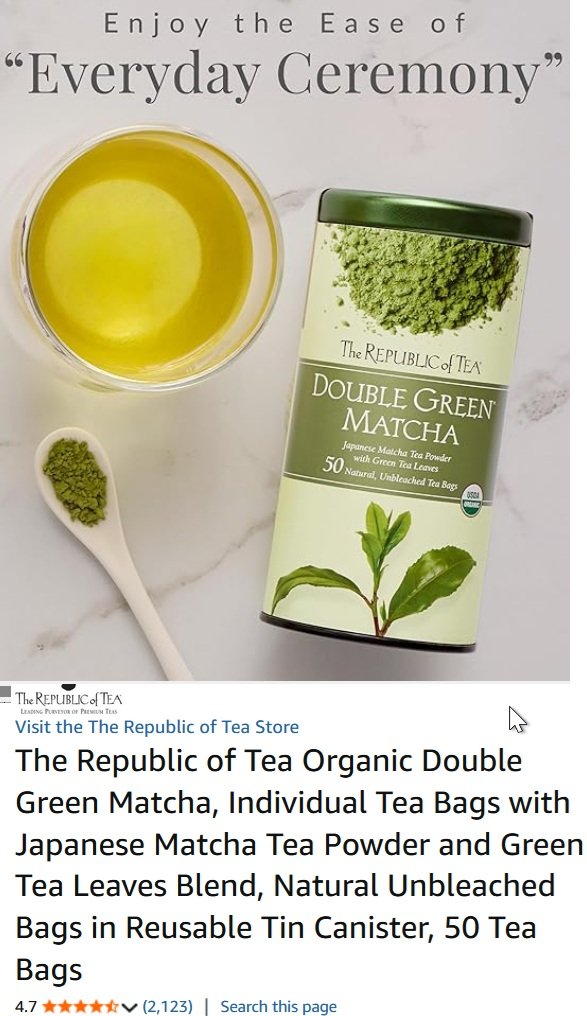
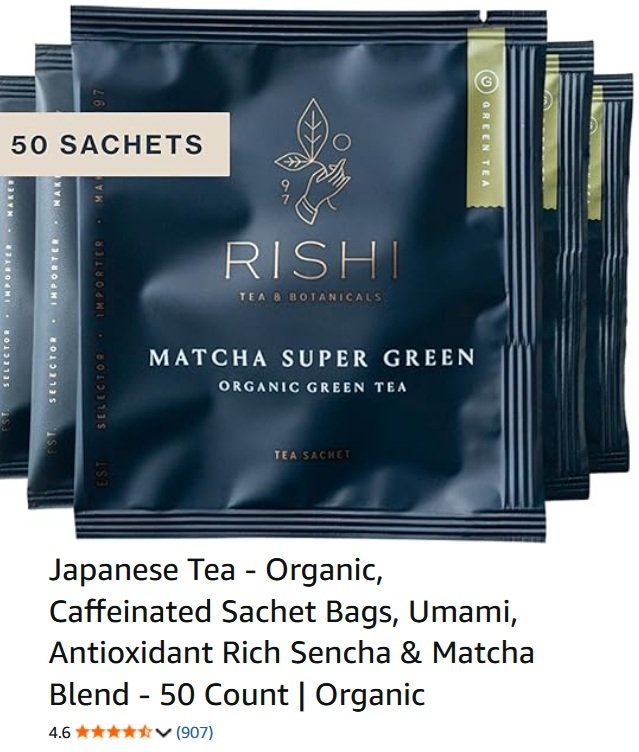
Matcha is more than just a tea. In Japan, preparing matcha is considered an art form rooted in mindfulness, hospitality, and centuries of tradition. Today, people around the world enjoy matcha for its smooth energy, rich antioxidants, earthy flavor, and calming ritual.
Learning how to make traditional matcha tea at home can transform an ordinary morning into a peaceful daily experience. The process is simple once you understand the right tools, water temperature, whisking technique, and tea quality.
What Is Traditional Matcha Tea?
Traditional matcha tea is made from finely ground green tea leaves whisked into hot water until smooth and lightly frothy. Unlike regular green tea, where leaves are steeped and removed, matcha allows you to consume the entire tea leaf in powdered form.
Matcha has been used in Japanese tea ceremonies for centuries. The preparation process encourages focus, calmness, and appreciation for simplicity.
Traditional matcha is usually prepared in one of two ways:
- Usucha: Thin matcha tea that is lighter and more common for daily drinking.
- Koicha: Thick matcha tea made with more powder and less water for a richer, more intense experience.
Most beginners start with usucha because it is easier to prepare and has a lighter flavor.
Why Matcha Preparation Matters
Matcha preparation affects flavor, texture, aroma, and overall enjoyment. Poor preparation can lead to bitter, clumpy matcha, while proper whisking creates a smooth, creamy tea with delicate foam on top.
The water temperature, whisking motion, and quality of the powder all make a noticeable difference.
Preparing matcha slowly and intentionally also creates a calming wellness ritual that many people enjoy as part of their daily routine.
Essential Matcha Tools
Traditional Japanese matcha preparation uses a few simple tools designed to improve texture and flavor.
| Tool | Purpose |
|---|---|
| Chawan (Matcha Bowl) | Used for whisking and drinking matcha |
| Chasen (Bamboo Whisk) | Creates smooth texture and froth |
| Chashaku (Bamboo Scoop) | Measures matcha powder |
| Fine Sifter | Removes clumps for smoother tea |
If you are new to matcha, do not worry if you do not own traditional tools yet. A small whisk, fine mesh strainer, and regular bowl can still help you make excellent matcha at home.
Choosing the Right Matcha Powder
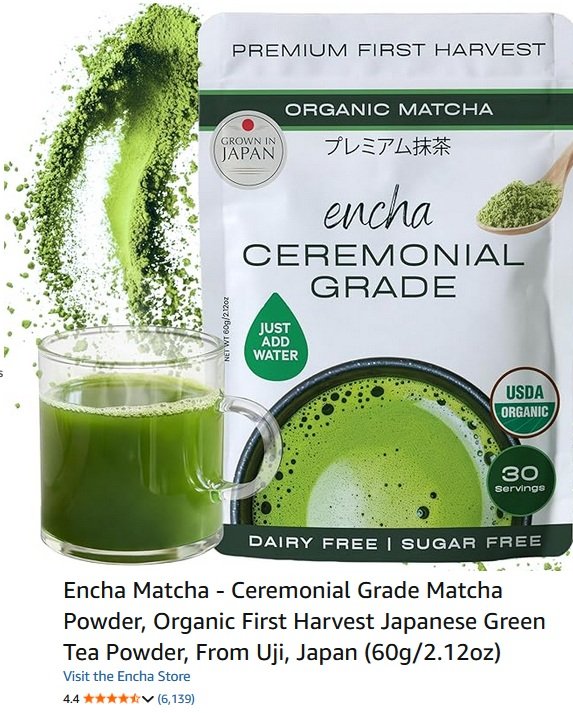
The quality of your matcha powder is extremely important. High-quality matcha should have a vibrant green color and a smooth, fresh aroma.
There are two main types of matcha:
- Ceremonial Grade Matcha: Best for drinking traditionally with water.
- Culinary Grade Matcha: Better for smoothies, baking, and recipes.
For traditional matcha tea, ceremonial grade matcha is usually recommended because it has a smoother, less bitter flavor.
The Perfect Water Temperature for Matcha
One of the most common mistakes beginners make is using boiling water. Water that is too hot can make matcha taste bitter and harsh.
The ideal water temperature for matcha is usually between:
160°F to 175°F (70°C to 80°C)
If you boil water, let it cool for a few minutes before adding it to your matcha bowl.
Step-by-Step Traditional Matcha Tea Recipe
Ingredients
- 1 to 2 teaspoons ceremonial grade matcha powder
- 2 ounces warm water for whisking
- Additional hot water if desired
Instructions
- Warm the bowl and whisk.
Pour warm water into your matcha bowl and place the bamboo whisk inside for about 30 seconds. This softens the whisk and helps prevent breakage. - Dry the bowl.
Empty the warm water and gently dry the bowl with a clean towel. - Sift the matcha powder.
Sift 1 to 2 teaspoons of matcha into the bowl to remove clumps. - Add warm water.
Pour about 2 ounces of hot water into the bowl. - Whisk the matcha.
Using a bamboo whisk, whisk rapidly in a zigzag “W” or “M” motion until frothy. - Enjoy immediately.
Drink your matcha while fresh and warm.
How to Whisk Matcha Properly
The whisking technique is one of the secrets to smooth matcha.
Instead of stirring in circles, whisk quickly using short zigzag motions. This helps blend the powder evenly while creating a creamy layer of foam on top.
Good matcha foam should look light, smooth, and velvety rather than large and bubbly.
Common Matcha Mistakes to Avoid
1. Using Boiling Water
Water that is too hot can ruin the delicate flavor and increase bitterness.
2. Skipping the Sifting Step
Matcha powder naturally clumps. Sifting helps create a smoother texture.
3. Stirring Instead of Whisking
Stirring does not properly blend the powder or create foam.
4. Using Low-Quality Matcha
Poor-quality matcha may taste dull, bitter, or brownish instead of fresh and vibrant.
5. Waiting Too Long to Drink It
Matcha is best enjoyed immediately after preparation.
How Traditional Matcha Supports Mindfulness
One reason traditional matcha remains so popular is the experience itself. Preparing matcha slowly encourages mindfulness and focus in a fast-moving world.
The sounds of whisking, the bright green color, the earthy aroma, and the warm bowl in your hands create a calming sensory ritual.
Many people enjoy using matcha preparation as a peaceful morning habit or afternoon reset.
Traditional Matcha vs Matcha Latte
| Traditional Matcha | Matcha Latte |
|---|---|
| Prepared with hot water | Prepared with milk or milk alternatives |
| More earthy and pure flavor | Creamier and sweeter taste |
| Traditional Japanese style | Modern café-style drink |
Both are enjoyable, but traditional matcha allows you to experience the authentic flavor and ceremony more closely.
Health Benefits of Traditional Matcha Tea
- Rich in antioxidants
- Supports calm focus
- Provides gentle natural energy
- Can replace sugary drinks
- Encourages mindful daily rituals
- Contains plant compounds found in green tea
Many people enjoy matcha not only for its taste but also for the wellness experience it creates.
How to Store Matcha Properly
Matcha is sensitive to heat, moisture, air, and sunlight. To preserve freshness:
- Store matcha in an airtight container
- Keep it away from sunlight
- Use within a few months after opening
- Refrigerate if recommended by the manufacturer
Fresh matcha should remain bright green and aromatic.
Final Thoughts
Learning how to make traditional matcha tea at home is about more than preparing a drink. It is about slowing down, appreciating quality ingredients, and creating a peaceful daily ritual.
With the right powder, proper water temperature, and a little whisking practice, you can enjoy authentic matcha tea that feels both energizing and calming at the same time.
Whether you are new to matcha or deepening your appreciation for Japanese tea culture, traditional matcha preparation offers a timeless experience worth savoring.
Frequently Asked Questions About Making Matcha
Can I make matcha without a bamboo whisk?
Yes. While a bamboo whisk creates the best texture, a small kitchen whisk or milk frother can also work.
Why is my matcha bitter?
Matcha may taste bitter if the water is too hot or if the powder quality is low.
What is the best matcha for beginners?
Ceremonial grade matcha is usually the best choice for beginners who want to drink traditional matcha tea.
How often can I drink matcha?
Many people enjoy one serving daily, but caffeine sensitivity varies from person to person.
Should matcha be sweetened?
Traditional matcha is often enjoyed unsweetened, but a small amount of honey or natural sweetener can soften the earthy flavor for beginners.
Green Tea And Matcha
- 10 Proven Health Benefits of Drinking Matcha Every Day
- Ceremonial Grade vs Culinary Grade Matcha: Which Should You Buy?
- Green Tea Antioxidants Explained: How Catechins Help Your Body Fight Stress
- Green Tea vs Matcha: What’s the Difference and Which Is Healthier?
- How Green Tea Supports Energy, Focus, and Mental Clarity Naturally
- How to Make Traditional Matcha Tea at Home Like a Japanese Tea Master
- The Best Green Tea for Weight Loss: Facts, Benefits, and Myths
- The History of Matcha Tea: From Ancient Japan to Modern Cafés
- Top 7 Matcha Recipes for Smoothies, Lattes, and Healthy Desserts
- Why Matcha Is Considered a Superfood in Modern Wellness Culture