
Matcha has become one of the most popular wellness drinks in the world, but shopping for matcha can feel confusing for beginners. One of the first things people notice is that matcha is usually labeled as either ceremonial grade or culinary grade.
So what do those labels actually mean? Is ceremonial grade always better? Can culinary grade still be healthy? And which one should you buy for tea, lattes, smoothies, or baking?
Understanding the difference between ceremonial and culinary matcha can help you save money, improve flavor, and choose the right matcha for your lifestyle.
What Is Matcha?
Matcha is a powdered form of green tea made from specially grown tea leaves. Unlike regular green tea, where the leaves are steeped and removed, matcha is whisked directly into water or milk so you consume the entire leaf.
Matcha is known for its vibrant green color, earthy flavor, antioxidants, and smooth energy from its natural combination of caffeine and L-theanine.
However, not all matcha is the same. Different grades are designed for different purposes.
What Is Ceremonial Grade Matcha?
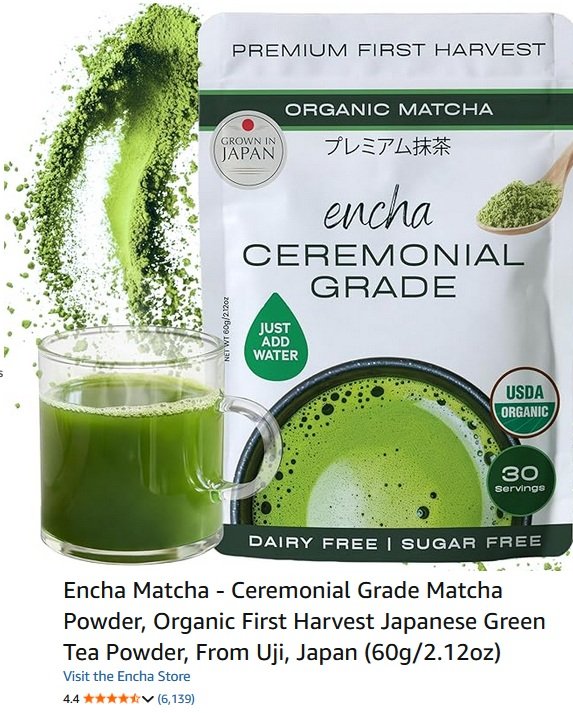
Ceremonial grade matcha is considered the highest-quality matcha available for traditional tea drinking. It is made from young tea leaves that are carefully harvested and processed to create a smooth, delicate flavor.
This type of matcha is traditionally used in Japanese tea ceremonies and is intended to be enjoyed with hot water alone, without milk or heavy sweeteners.
Characteristics of Ceremonial Grade Matcha
- Bright, vibrant green color
- Smooth and fine texture
- Less bitterness
- Natural sweetness or umami flavor
- Fresh grassy aroma
- Best for traditional matcha tea
Ceremonial grade matcha is often more expensive because of the quality of the leaves and the careful production process.
What Is Culinary Grade Matcha?
Culinary grade matcha is designed for recipes, cooking, smoothies, and flavored drinks. It usually has a stronger, bolder flavor that stands out when mixed with milk, fruit, chocolate, vanilla, or sweeteners.
Culinary matcha may come from slightly older tea leaves, which can create a more robust taste and darker color.
Characteristics of Culinary Grade Matcha
- Darker green color
- Stronger, more bitter flavor
- Excellent for recipes and baking
- Usually more affordable
- Good for smoothies and lattes
Culinary matcha is still real matcha and still contains antioxidants and green tea compounds. It is simply optimized for mixing into recipes rather than drinking plain.
Ceremonial Grade vs Culinary Grade Matcha: Side-by-Side Comparison
| Feature | Ceremonial Grade | Culinary Grade |
|---|---|---|
| Purpose | Traditional tea drinking | Recipes and mixed drinks |
| Flavor | Smooth, mild, slightly sweet | Bold, earthy, slightly bitter |
| Color | Bright green | Darker green or olive green |
| Texture | Very smooth and silky | Slightly more robust |
| Price | Usually more expensive | Usually more affordable |
| Best Uses | Tea ceremony, plain tea | Smoothies, lattes, baking |
Which Matcha Is Better for Beginners?
Beginners often enjoy culinary grade matcha first because it is more affordable and works well in sweet drinks like matcha lattes and smoothies.
However, if you want to experience authentic traditional matcha tea, ceremonial grade matcha is usually the better choice because of its smoother flavor.
Simple tip: If you plan to add milk, vanilla, or sweeteners, culinary grade is often enough. If you want pure matcha tea with water only, choose ceremonial grade.
Best Matcha for Matcha Lattes
Many people assume ceremonial grade is necessary for lattes, but culinary grade often works perfectly because milk and sweeteners soften the stronger flavor.
A good-quality culinary matcha can create delicious iced or hot matcha lattes at a lower cost.
If you prefer a smoother, less earthy latte, you can still use ceremonial grade matcha, but it is usually more expensive.
Best Matcha for Smoothies and Baking
Culinary grade matcha is generally the best choice for:
- Matcha smoothies
- Protein shakes
- Cookies
- Pancakes
- Ice cream
- Energy bites
- Matcha desserts
Its stronger flavor holds up well when combined with other ingredients.
Best Matcha for Traditional Tea
Ceremonial grade matcha is usually the best choice for traditional preparation because it is smoother and more delicate.
Traditional matcha is typically prepared with:
- Matcha powder
- Warm water
- A bamboo whisk
- No milk or heavy sweeteners
This style allows you to experience the natural flavor and aroma of the tea itself.
How to Spot High-Quality Matcha
Whether you buy ceremonial or culinary matcha, quality still matters.
Look for Matcha That Is:
- Bright green rather than dull brown
- Fresh smelling
- Finely ground
- Smooth rather than gritty
- Stored in airtight packaging
Freshness is important because matcha can lose flavor and color over time when exposed to heat, air, or sunlight.
Common Matcha Buying Mistakes
1. Buying Cheap Matcha Without Research
Extremely cheap matcha may taste bitter, stale, or dull in color.
2. Using Ceremonial Grade for Baking
High-end ceremonial matcha may be wasted in recipes where stronger flavors dominate.
3. Expecting Culinary Matcha to Taste Smooth Plain
Culinary matcha is designed for mixing and may taste stronger when prepared traditionally.
4. Storing Matcha Incorrectly
Heat, moisture, and sunlight can damage freshness quickly.
Simple Matcha Latte Recipe
Easy Homemade Matcha Latte
Ingredients:
- 1 teaspoon culinary or ceremonial matcha
- 2 ounces warm water
- 6 ounces milk or plant-based milk
- Optional: honey or maple syrup
Directions:
- Sift matcha into a mug.
- Add warm water and whisk until smooth.
- Warm the milk separately.
- Pour milk into the matcha mixture.
- Sweeten lightly if desired.
Is Expensive Matcha Always Better?
Not necessarily. The best matcha depends on how you plan to use it.
A premium ceremonial grade matcha may be wonderful for tea ceremonies but unnecessary for smoothies or desserts.
Many people keep both types at home:
- Ceremonial grade for traditional tea
- Culinary grade for recipes and daily lattes
Final Thoughts
Understanding ceremonial grade vs culinary grade matcha makes shopping much easier. Neither type is automatically “better” — they simply serve different purposes.
If you want smooth traditional tea, ceremonial grade matcha is usually the best option. If you love smoothies, lattes, baking, or affordable daily matcha drinks, culinary grade matcha is often the smarter choice.
The most important thing is choosing fresh, high-quality matcha that fits your taste, budget, and lifestyle.
Frequently Asked Questions About Matcha Grades
Is ceremonial grade matcha healthier?
Both ceremonial and culinary matcha contain green tea compounds and antioxidants. The main difference is flavor and intended use.
Can you drink culinary grade matcha?
Yes, but it may taste more bitter or stronger when prepared with water alone.
Why is ceremonial grade matcha more expensive?
It is made from younger tea leaves and processed more carefully for smoother flavor and texture.
What matcha should beginners buy?
Beginners often start with culinary grade for lattes and smoothies, then try ceremonial grade for traditional tea.
Can I use ceremonial grade matcha in recipes?
Yes, but many people prefer saving ceremonial grade for drinking because of the higher cost.
Green Tea And Matcha